How to Keep Your Orchid Blooming Longer
Want to enjoy your orchid blooms for as long as possible? Learn how to care for your orchid with the right light, watering, humidity, feeding, and maintenance—and discover the We The Wild Orchid Care Essential Kit at Enchanted Blossoms.
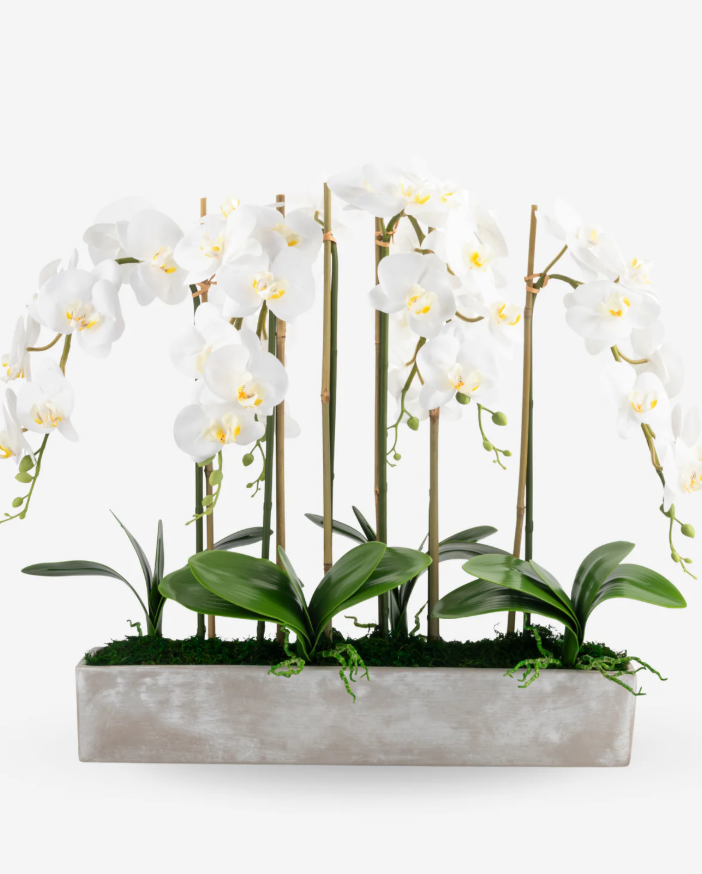
How to Keep Your Orchid Blooming Longer
Short Description: Want to enjoy your orchid blooms for as long as possible? Learn how to care for your orchid with the right light, watering, humidity, feeding, and maintenance—and discover the We The Wild Orchid Care Essential Kit at Enchanted Blossoms.
Meta Title: How to Keep Your Orchid Blooming Longer | Enchanted Blossoms
Meta Description: Learn how to keep your orchid blooming longer with simple tips for light, watering, humidity, feeding, and care. Shop the We The Wild Orchid Care Essential Kit.
Keywords: how to keep an orchid blooming longer, orchid care tips, how to care for orchids, orchid blooming tips, how to make orchids bloom longer, orchid plant care, orchid fertilizer, orchid care kit, We The Wild Orchid Care Essential Kit, orchid care Holmdel NJ, houseplants Holmdel NJ
How to Keep Your Orchid Blooming Longer
Few houseplants deliver quite the same wow factor as an orchid. Those elegant flowers can brighten a kitchen counter, office, entryway, or bedside table—and when an orchid is happy, its blooms can last for weeks.
The secret to enjoying your orchid for as long as possible isn't complicated. Orchids need a balance of light, water, humidity, air movement, temperature, and nutrients.
Whether you received an orchid as a gift, picked one up for your home, or couldn't resist bringing one home from Enchanted Blossoms, these simple tips can help you keep it healthy and blooming beautifully.
1. Give Your Orchid the Right Light
Light is one of the most important factors in keeping an orchid healthy and encouraging future blooms.
For many popular indoor orchids, especially Phalaenopsis or moth orchids, a bright location with indirect or filtered light works well. An east-facing window can be an excellent choice, while a bright south or west-facing window may need some protection from intense afternoon sun.
Too little light can prevent an otherwise healthy orchid from blooming.
Tip: If your orchid's leaves are very dark green and the plant isn't flowering, it may be telling you that it needs more light.
2. Don't Overwater Your Orchid
If there's one orchid-care mistake to avoid, it's overwatering.
Orchids don't like sitting in constantly wet growing media. Their roots need access to both moisture and air, and roots that remain wet for too long can begin to rot.
Rather than watering according to a strict calendar, check your orchid first.
Look at the growing medium and feel the pot. If it has dried out, it's generally time to water. When you do water, water thoroughly and allow excess water to drain completely.
Never allow your orchid's pot to sit in standing water.
How frequently your orchid needs water will depend on factors such as the type of orchid, potting medium, temperature, humidity, light, and airflow.
3. Keep Water Out of the Crown
When watering your orchid, try to avoid allowing water to collect in the center of the plant where the leaves meet.
This area is called the crown, and standing water there can contribute to crown rot.
If water does collect in the crown, gently remove it rather than leaving it sitting there.
4. Give Your Orchid Some Humidity
Many orchids naturally grow in humid environments, so the dry air inside our homes can sometimes be a challenge.
A humidity tray, grouping plants together, or using a humidifier can help increase humidity around your plants.
Just remember that humidity and poor air circulation shouldn't go hand in hand. Gentle air movement can help reduce the conditions that encourage fungal and bacterial problems.
5. Feed Your Orchid
An orchid needs nutrients to produce healthy leaves, roots, and flowers.
Regular feeding can help support growth and flowering, but more fertilizer isn't necessarily better. Using a product specifically formulated for orchids can make it easier to provide the appropriate nutrients without having to guess.
Try the We The Wild Orchid Care Essential Kit
At Enchanted Blossoms, we carry the We The Wild Orchid Care Essential Kit, created specifically to help orchid owners nourish and care for their plants.
The kit includes:
- Bloom Concentrate — a liquid plant food designed to support flowering plants and orchids.
- Protect Spray for Orchids — a spray formulated specifically for orchids as part of a regular leaf-care routine.
It's a convenient way to have orchid-specific care products together rather than trying to figure out which products you need individually.
Shop the We The Wild Orchid Care Essential Kit →
6. Don't Cut Your Orchid Spike Too Quickly
When the flowers eventually fade, don't assume your orchid is finished.
The flowers may be gone, but the plant itself is still very much alive.
For Phalaenopsis orchids, the old flower spike can sometimes produce additional flowers. Depending on the condition of the spike and the health of the plant, growers may choose to leave it intact, trim it above a node, or cut it back after flowering.
If the spike turns completely brown or dry, it can generally be removed.
The important thing is not to treat the end of the flowers as the end of the plant.
7. Keep Caring for Your Orchid After It Stops Blooming
This is one of the biggest secrets to getting an orchid to bloom again.
Once the flowers fall, it's tempting to move the plant somewhere out of the way—or forget about it altogether.
Don't.
Your orchid needs time to build up energy for its next flowering cycle.
Continue providing appropriate light, water, nutrients, and general care even when there aren't any flowers to admire.
Think of the period between blooms as preparation for the next show.
8. Pay Attention to the Roots
Healthy roots are essential to a healthy orchid.
If your orchid is in a clear plastic pot, you may be able to see the roots without disturbing the plant.
Healthy orchid roots should generally look firm rather than mushy or severely deteriorated.
If the potting medium remains wet for long periods, or you notice signs of root problems, your orchid may need attention.
Orchids generally benefit from a well-draining growing medium, and repotting is typically needed when the growing medium breaks down or the plant outgrows its container.
9. Avoid Extreme Temperature Changes
Orchids generally prefer stable indoor conditions rather than being placed directly next to a heating vent, air conditioner, drafty door, or very cold window.
Seasonal temperature changes can help trigger flowering in some orchids, but sudden temperature fluctuations can stress the plant.
A comfortable spot with good light and reasonable temperature stability is usually a better choice than a location with dramatic temperature swings.
10. Give Your Orchid a Little Extra Attention
One of the easiest ways to keep an orchid healthy is simply to pay attention to it.
Look at the leaves.
Check the roots.
Feel the growing medium.
Watch for pests.
Notice whether new leaves or roots are developing.
And don't wait until the plant looks unhappy before adjusting its care.
Small changes can make a big difference.
How Long Do Orchid Blooms Last?
The length of an orchid's blooming period depends on the type of orchid and its growing conditions.
Popular Phalaenopsis orchids can provide an impressive display of flowers, and with proper care, they can rebloom repeatedly over the years.
The goal isn't necessarily to force an orchid to flower continuously.
Instead, think of orchid care as a cycle:
Grow → bloom → rest → grow → bloom again.
When you provide the plant with the conditions it needs throughout that entire cycle, you're much more likely to enjoy beautiful flowers again and again.
The Biggest Orchid-Care Mistakes to Avoid
If you want to keep your orchid blooming and healthy, avoid these common mistakes:
- Overwatering — Constantly wet roots can lead to root problems.
- Too little light — Insufficient light can prevent flowering.
- Standing water — Don't allow the pot to sit in water.
- Water sitting in the crown — Remove excess water from the center of the plant.
- Too much fertilizer — More isn't necessarily better.
- Ignoring the plant after flowering — The post-bloom period is important for future growth.
- Poor drainage — Orchids need a growing medium that allows their roots to breathe.
Keep Your Orchid Happy With the Right Care
Orchids sometimes have a reputation for being difficult houseplants, but they're really just plants that respond well to understanding what they need.
Give your orchid the right amount of light.
Water when it needs water—not simply because it's Tuesday.
Keep the roots from sitting in water.
Provide reasonable humidity and airflow.
Feed it appropriately.
And continue caring for it even after the flowers disappear.
A little consistency can go a long way.
Shop Orchid Care at Enchanted Blossoms
Want to give your orchid a little extra help?
The We The Wild Orchid Care Essential Kit makes it easy to incorporate orchid-specific nourishment and leaf care into your routine.
It's also a thoughtful gift for the orchid lover in your life.
Shop the We The Wild Orchid Care Essential Kit →
And if you're looking for a beautiful orchid or another houseplant to add to your home or office, visit Enchanted Blossoms in Bell Works in Holmdel, NJ, or explore our houseplants online.
Enchanted Blossoms
Florist & Boutique at Bell Works
Holmdel, NJ
Beautiful plants. Thoughtful gifts. Local expertise.